
News / Whey May Be the “New Solution” for Cardiovascular Health and Immunomodulation
A study led by the RISE-Health Research Unit demonstrates the potential benefits of whey, a byproduct of cheese production.
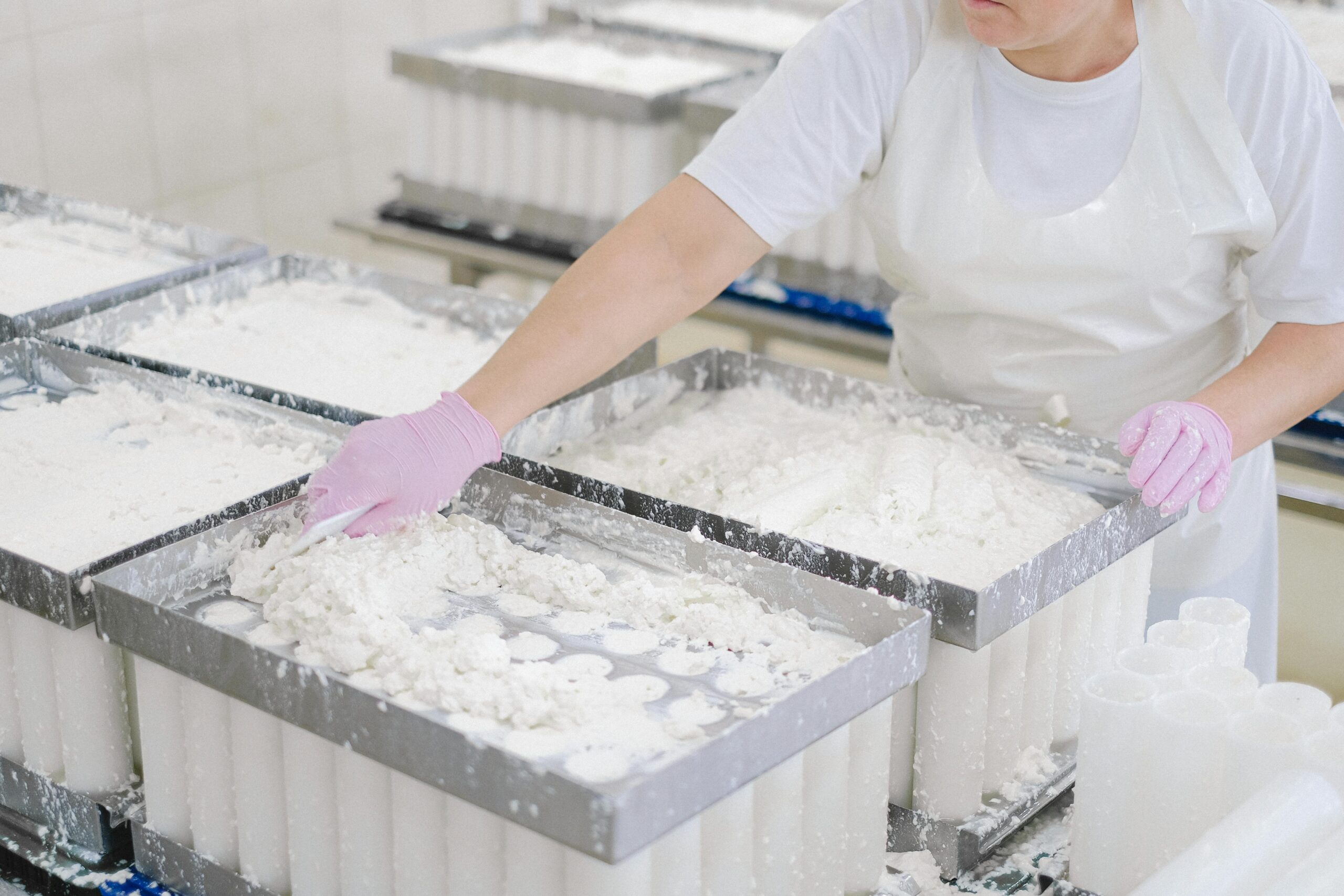
A national study led by Carla Gonçalves (RISE-Health/UTAD), a researcher at the RISE-Health Research Unit, examined the role that whey—traditionally viewed as a byproduct of cheese production—may play in cardiovascular and immunomodulatory health among the population.
“In terms of cardiovascular health, evidence suggests that these compounds may help lower blood pressure by inhibiting enzymes such as ACE—which is associated with blood pressure regulation—improve blood vessel function by promoting vasodilation, and reduce oxidative stress and inflammation, key factors in cardiovascular diseases. Regarding the immune system, whey-derived peptides can regulate the inflammatory response (by reducing pro-inflammatory cytokines), strengthen defense mechanisms—including gut immunity—and contribute to a healthier balance of the immune system,” explains Carla Gonçalves.
According to the specialist at the RISE-Health Research Unit, “the impact of whey on cardiovascular and immunomodulatory health is directly related to its richness in proteins of high biological value, which act as precursors to bioactive peptides. These peptides are released during processes such as gastrointestinal digestion, enzymatic hydrolysis, or fermentation, and have the ability to interact with multiple relevant physiological pathways.”
“The growing body of evidence analyzed here highlights the potential of whey-derived peptides to modulate key physiological pathways involved in cardiovascular regulation, including blood pressure control, endothelial integrity, the balance of oxidative stress, and inflammatory responses. This dual role—which combines environmental mitigation with the promotion of functional health—positions waste recycling as a promising avenue for innovation in the field of sustainable nutrition and the development of functional foods, while actively supporting the principles of the circular economy,” reads the scientific paper led by Carla Gonçalves.
In the Portuguese context, there is a “particularly relevant opportunity to assert a strategic role in the valorization of whey, especially in the context of the transition to more sustainable and health-oriented food systems,” notes the RISE-Health researcher, also clarifying some of the challenges observed in Portugal. “In regions with a high concentration of small cheese dairies, it is found that a significant portion of the whey is not reused in a structured manner, being disposed of in drainage systems or stored without adequate control. This scenario highlights a gap between the identified scientific potential and its industrial and regional application,” she points out.
Investment in infrastructure, the promotion of partnerships between academia and cheese producers, the creation of incentives for innovation and the circular bioeconomy, as well as the strengthening of environmental regulation and monitoring are just some of the measures that can reinforce Portugal’s role in whey production.
“Portugal has unique conditions to transform whey from an environmental liability into a strategic asset, aligning with European agendas on sustainability, the circular economy, and health promotion. The challenge lies in operationalizing this transition, creating effective bridges between scientific knowledge, industrial capacity, and public policy instruments,” he concludes.
The article “From Cheese Whey to Functional Ingredients: Upcycling Whey Proteins for Cardiovascular and Immunomodulatory Health—Evidence Mapping and Perspectives from Portugal,” funded by the PROMOVE o Futuro do Interior Program—2024 Call—of BPI/Fundação La Caixa, is a scientific study led by Carla Gonçalves (RISE-Health/UTAD) and features João Mota, Márcio Moura-Alves, Ana Francisca Teixeira, Rafaela Nóbrega, and Diogo Lameirão as co-authors.