
News / Lower Calorie Intake Increases the Effectiveness of Chemotherapy
Study by the RISE-Health Research Unit Reveals an Association Between Diet and the Effectiveness of Treatment for Rare Tumours.
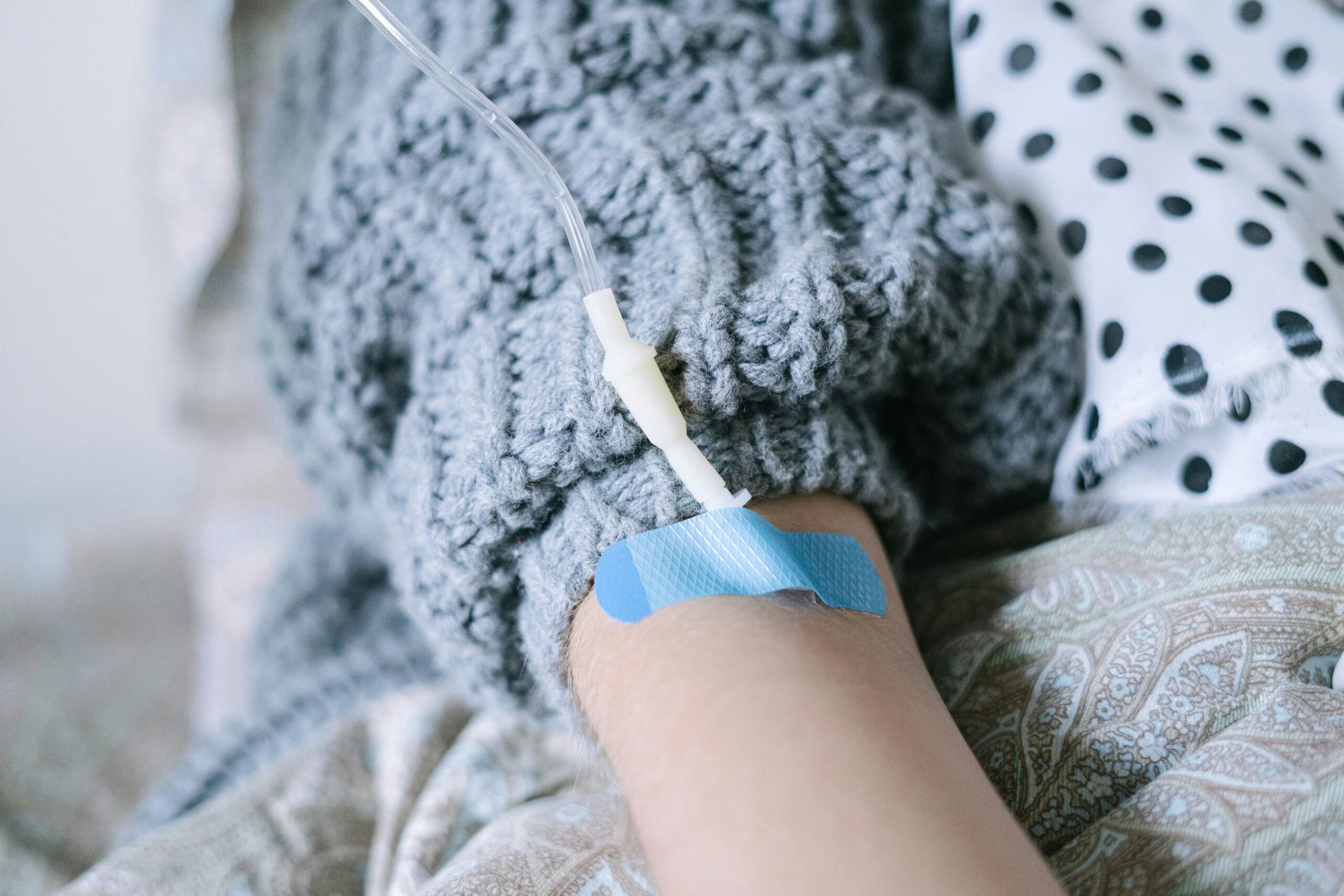
Moderate calorie intake increases the effectiveness of chemotherapy. This is one of the conclusions of an international study by the RISE-Health Research Unit in association with the Federal University of Piauí (Brazil), which sought to understand the impact of calorie restriction on the treatment of sarcomas, a rare type of cancer.
According to the study, conducted on laboratory animals, ‘calorie restriction, alone or in combination [with drugs such as doxorubicin, used in chemotherapy], significantly reduced tumour weight and volume and increased the rate of tumour inhibition. At the same time, this approach protected normal cells from chemotherapy-induced damage’.
‘The 40% reduction in caloric intake induced profound metabolic stress in the tumour microenvironment, compromising anabolic and proliferative processes essential for tumour progression,’ according to the scientific paper published in the journal Cancers.
‘From this experimental study, carried out in animal models, we were able to observe that calorie restriction – for short periods of time – can be beneficial for cancer treatment,’ points out researcher Moisés Tolentino Bento da Silva (RISE-Health/ICBAS-UP), explaining that the more energy consumed, the more cancer develops and, therefore, by reducing calorie consumption, we can reduce the energy supply to the tumour and, consequently, ensure greater effectiveness of chemotherapy.‘
The researchers found that, in addition to a positive impact on the effectiveness of chemotherapy, calorie restriction ’contributes to the repair of DNA damage [caused by chemotherapy] in non-tumoural tissues” and ‘reprograms lipid metabolism, reducing cholesterol and triglyceride levels’ that feed malignant cells dependent on fatty acid renewal for energy production, proliferation and signalling of cancer and other chronic diseases, such as type II diabetes, cardiovascular disease and neurodegenerative disorders.
Alongside a balanced diet and reduced calorie intake, regular physical exercise has a positive impact on cancer treatment. “If cancer patients exercise appropriately and regularly during chemotherapy, they will experience fewer side effects in various systems, such as the gastrointestinal tract. Physical exercise, together with a good diet, has great benefits for the patient’s quality of life, whether preventive, during treatment or after the end of cancer treatment,” concludes Moisés Tolentino Bento da Silva.
This scientific work is led in Portugal by researcher Moisés Tolentino Bento da Silva (RISE-Health/ICBAS-UP) and in Brazil by researcher Francisco Leonardo Torres-Leal (DOMEN – Metabolic Diseases, Exercise and Nutrition Research Group– UFPI/Brazil) and includes other specialists from the Department of Biophysics and Physiology at the Federal University of Piauí (Brazil) as authors.